Alex Honnold’s Fearless Brain: What His Climbs Reveal About Fear, Growth, and Human Potential
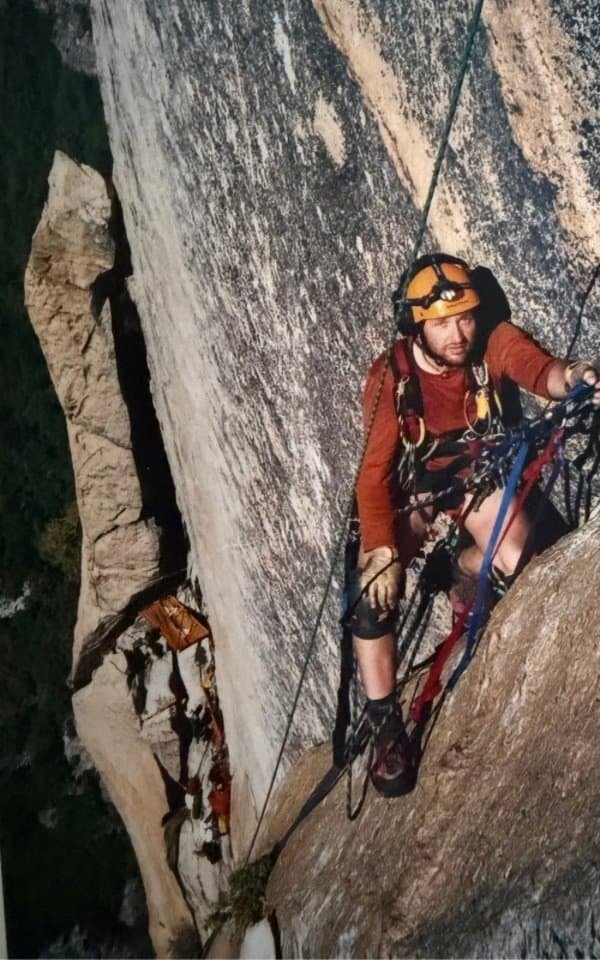
Shawn Kanin Desjardins ascending El Capitan, demonstrating human flourishing and optimisation.
alt=”Shawn Kanin Desjardins climbing El Capitan, demonstrating human flourishing, optimisation, fear management, and the neurological Vessent system in high-performance pursuits.”
style=”max-width:100%; height:auto; display:block; margin:0 auto;” />
Is Alex Honnold fearless because his brain is different, or because it is exceptionally well-trained?
By examining his climbs through the lens of neuropsychology and the human Vessent system, this article reveals how fear functions as a signal for growth, optimisation, and human flourishing.
Why Is Everyone Talking About Alex Honnold?
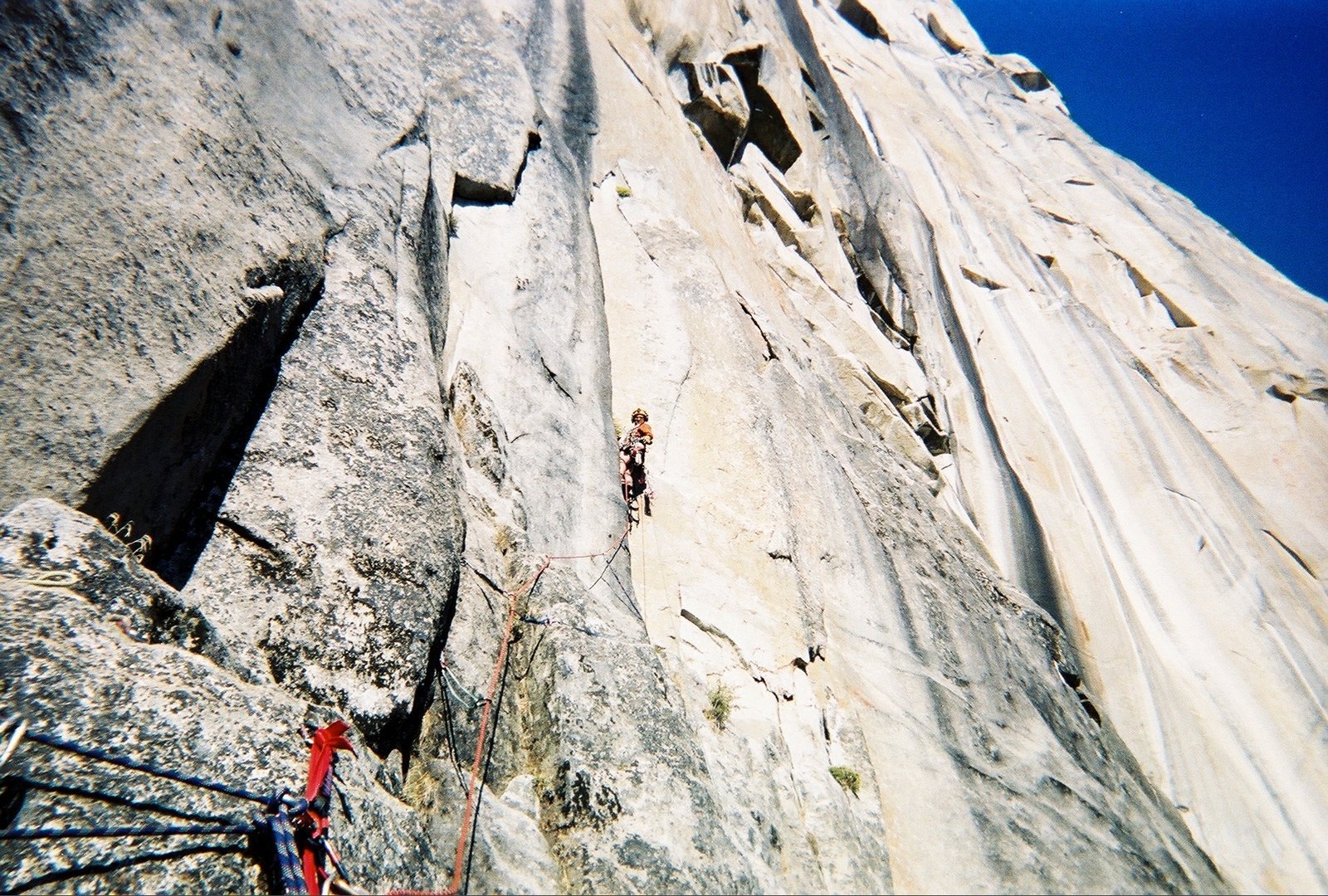
When Alex Honnold scaled Taipei 101 without ropes, the world collectively held its breath. His El Capitan free solo and Arctic ascents in Greenland are equally mind-blowing. Let me throw some insight on this as both an alpine and multi-disciplined climber, having experienced climbing El Capitan, extensive climbing in the Canadian Rockies, as well as 6000+ metre peaks in the Andes. Oh yeah, and maybe even more importantly, as a researcher in neuropsychology studying the human Vessent system.
So what’s the insight?
I recognise something deeper: these feats reveal human flourishing in action. Fear, as Alex demonstrates, is not a limitation; it is a signal, a guide, and a tool for growth and optimisation available to all of us.
How Can Alex Honnold Teach Us About Fear?
Fear is often portrayed as something to suppress or overcome. Observing Alex in extreme conditions shows otherwise: fear is a feedback mechanism, and in this application, informing every high-consequence decision. This is just one function of the human Vessent system, signalling and guiding action.
Alex’s composure on sheer rock faces is not recklessness; it is precise, continuous assessment and alignment with his internal system, something all of us can learn from.
Why Are Humans Naturally Oriented Toward Flourishing?
The Vessent system reveals that flourishing and human optimisation is our natural orientation, not mere survival. Survival instincts, like fear responses, are overlays triggered when thresholds are exceeded or imminent.
In my climbing and research, I have seen how misreading these signals creates unnecessary stress or limits potential. Alex’s extreme feats make this mechanism highly visible to the world. When properly understood, fear helps keep our compass pointing towards growth; it is not a barrier.
How Can These Principles Apply to Everyday Life?
You do not need to scale skyscrapers or ice walls to benefit. Alex’s climbs illustrate principles that apply to business, relationships, and personal challenges:
- Fear is informative: In fact, each emotional signal tells you something important about your environment or state of mind.
- Alignment of a well-calibrated system is key: Understanding this prevents overreaction and decision errors. We face all kinds of fears every day. When misinterpreted or incorrectly built-up fears occur, we create barriers to our own ability.
- Intentional growth: Peak performance comes from aligning with your system, not overriding it. Instead, it is about moving towards opportunities for expansion and growth. Taking action and perspectives through unfamiliar terrain. In that landscape, it is easy to see the usefulness of fear. But “how can we ever achieve to reach a higher place we have not got to unless first we venture through where we have not yet been?”
By understanding the way the human Vessent system works, anyone can harness their natural inclination towards flourishing in everyday life and professional challenges.
What’s Remarkable About the Vessent System?
Unlike traditional survival-focused models, the Vessent model empirically shows human orientation is towards optimisation first, survival second. Think of it like a high-performance vehicle:
- The ABS brakes (fear) are always ready; this is just one part of a much larger system designed to function efficiently under pressure.
- The ABS only activates beyond threshold.
- The system itself is designed to go fast, not stop. Full ABS engaged, full stop, is an emergency manoeuvre, not the primary objective.
This approach informs humans to:
- Interpret emotions as actionable feedback.
- Align perception, identity, and action for better decision-making.
- Achieve sustainable growth, not just reactive survival.
Alex’s climbs provide a visible example, but the same system exists within everyone, whether in business, creative work, or personal growth. Whenever we are venturing towards growth or something new, we are likely to be exposed to fear. But think back to a time when something that once scared you no longer does; that is because you learned to navigate it successfully. Fear is not meant to stop us, it is meant to keep us going.
How Can I Learn From Extreme Climbing Without Climbing?
The lessons are practical and universal:
- Observe your emotional signals: Identify what your fear, excitement, or hesitation is trying to tell you.
- Align towards the desired response: Do not suppress or ignore signals; adjust your actions thoughtfully.
- Seek growth intentionally: Look for challenges that push your system towards its natural flourishing orientation.
Even without extreme physical challenges, these practices enhance clarity, performance, and resilience.
Why Does This Matter Today?
Alex’s climbs are trending because they capture attention. But beyond the spectacle lies a neuroscientific insight: fear is a tool, not a limit, and the potential for human flourishing exists in all of us. By understanding the Vessent system, we can interpret fear correctly, optimise performance, and achieve growth in ways many never consider possible.
What Should You Do Next?
Extreme climbing offers inspiration, but application is universal:
- Observe your own reactions.
- Experiment with alignment.
- Start using fear as a signal for growth, not an obstacle.
For a deeper dive into the neuropsychology behind these insights, including a more detailed analysis of fear, the amygdala, and the human Vessent system, read the companion article:
The Truth behind Alex Honnold’s Fearless Brain
Join the waitlist to be first in line for the Vessent framework book series releases by clicking here
To find out more about the Vessent and our research click here